Classic Danish Pastry with Cheese and Fruit Fillings Recipe
Introduction
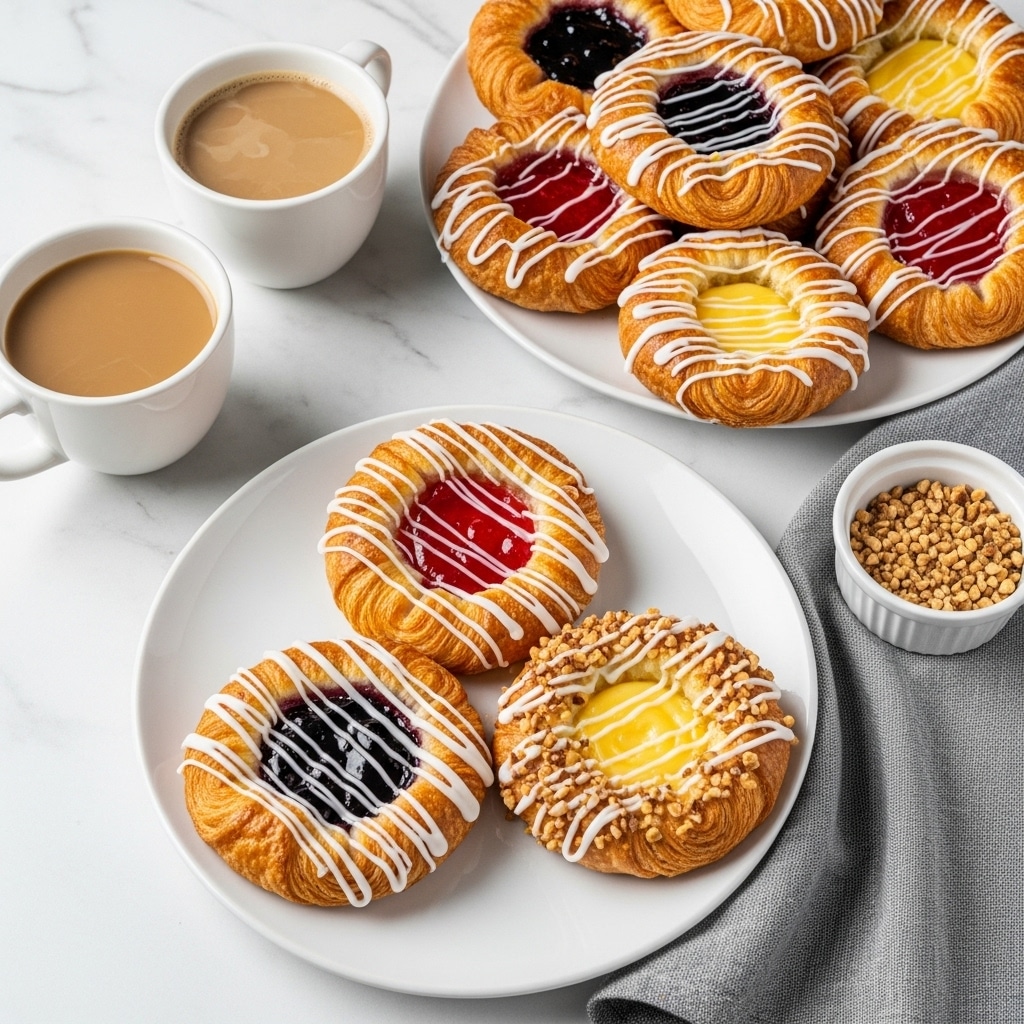
Danish pastries are buttery, flaky, and irresistibly delicious. This recipe guides you through layering butter and dough to create traditional Danish treats filled with creamy cheese and sweet jam. Perfect for a special breakfast or brunch.
Ingredients
- 32 tablespoons (454g or 1 pound) unsalted butter, at cool room temperature, 65°F to 68°F
- 5 1/2 cups (660g) King Arthur Unbleached All-Purpose Flour
- 1/3 cup (67g) granulated sugar
- 4 teaspoons instant yeast
- 2 1/2 teaspoons (15g) table salt (reduce to 1 1/2 teaspoons if using salted butter)
- 1/2 to 1 teaspoon cardamom (optional, for traditional flavor)
- 1 teaspoon King Arthur Pure Vanilla Extract
- 1 cup (227g) milk, cold
- 1/3 to 1/2 cup (76g to 113g) water, lukewarm
- 2 large eggs
- Half an 8-ounce package (113g) cream cheese
- 1/2 cup (113g) cottage cheese or ricotta cheese
- 3 tablespoons (35g) granulated sugar
- 1 large egg
- 1/4 teaspoon table salt
- About 1 to 1 1/4 cups (298g to 369g) jam, preserves, or canned fruit pie filling
- 1 large egg white, beaten lightly with 1 tablespoon cold water
- 1 1/2 cups (170g) confectioners’ sugar
- 2 to 2 1/2 tablespoons (28g to 35g) water or milk (for glaze)
- Pinch of table salt
- Crushed nuts (optional, to garnish)
Instructions
- Step 1: Cut 1/4″ off the end of each of the 4 butter sticks to get about 2 tablespoons. Set aside these 2 tablespoons to use immediately, and keep the remaining butter for later.
- Step 2: In a large bowl, whisk together flour, sugar, yeast, salt, and cardamom. Work the 2 tablespoons cold butter into the flour mixture with your fingers until no large lumps remain.
- Step 3: Add vanilla, cold milk, lukewarm water, and eggs. Mix and knead until you get a cohesive but sticky dough. Use a bread machine dough cycle or a mixer as preferred.
- Step 4: Shape dough into a ball, transfer to a floured surface, cover with plastic wrap, and rest for 10 minutes while preparing butter.
- Step 5: Cut each butter stick in half lengthwise to form 8 rectangles. On floured parchment or plastic wrap, line up 4 rectangles side by side and lightly flour them. Cover with another parchment or plastic wrap.
- Step 6: Gently pound and roll butter until about 6″ x 9″. Repeat with the remaining 4 rectangles to have two butter slabs.
- Step 7: Roll dough into about a 12″ x 24″ rectangle. Place one butter slab on the center third, fold one side over it, then place the second slab on top and fold the remaining dough over, creating a butter packet. Pinch edges closed.
- Step 8: Turn dough 90°, roll into about a 10″ x 24″ rectangle, fold each side to the center, then fold one side over the other to form a 6″ x 10″ packet.
- Step 9: Dust dough with flour, wrap in plastic, and chill for 20 minutes.
- Step 10: Remove dough from fridge, roll it into a 10″ x 24″ rectangle again, fold into a packet as before, and repeat one final time. After the last fold, wrap dough loosely in plastic and chill for 2 to 16 hours.
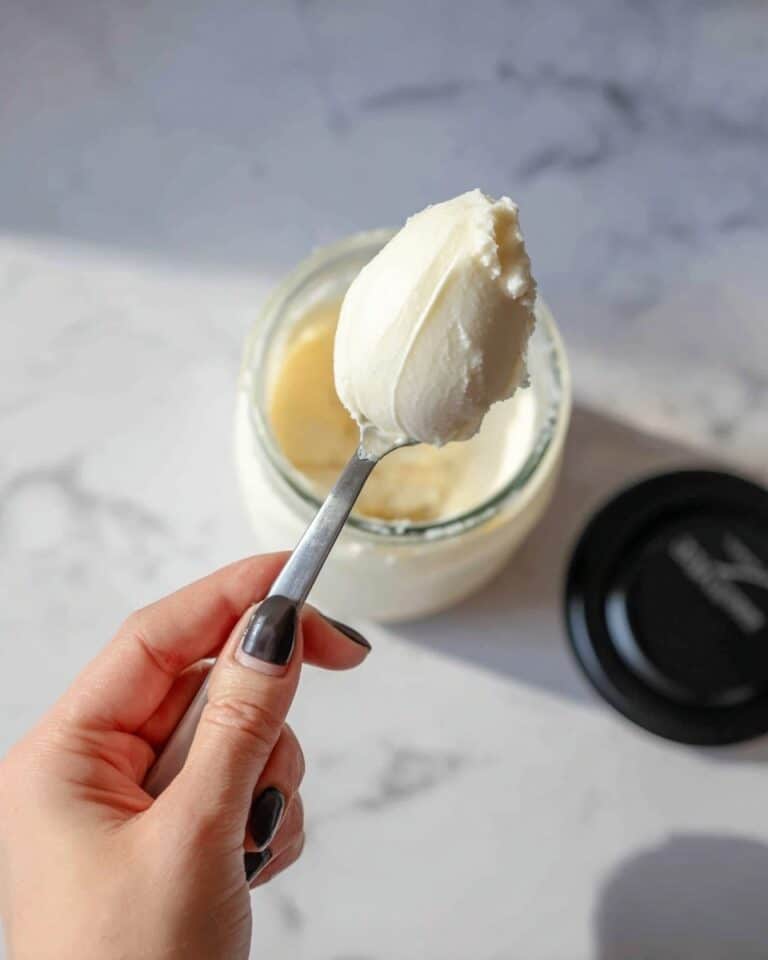
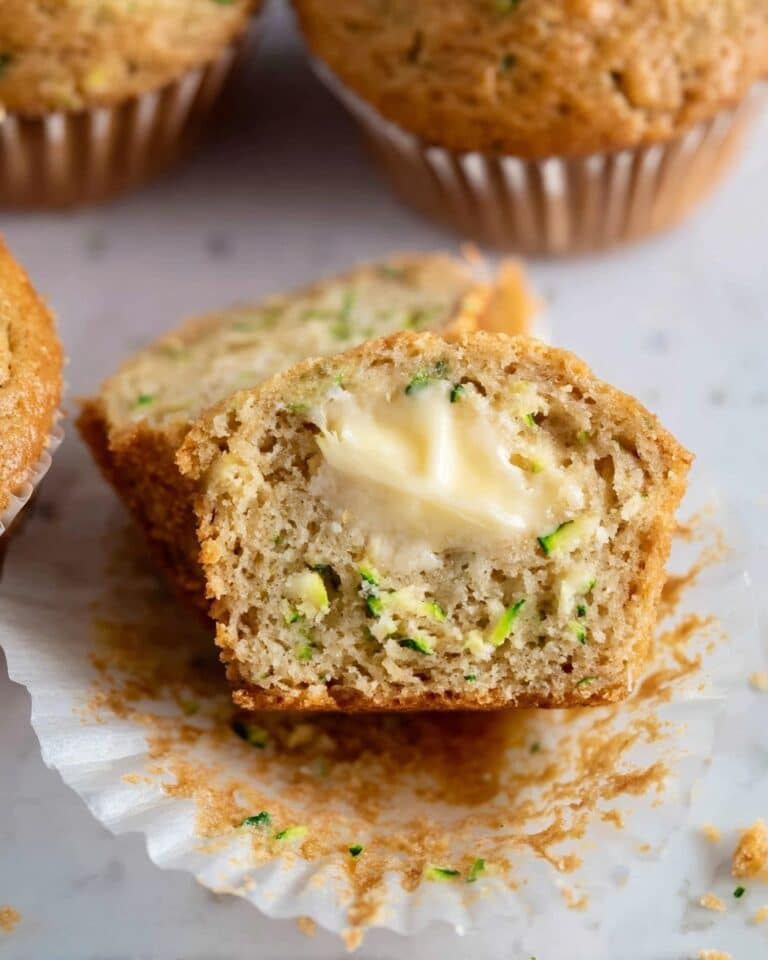
- Step 11: Prepare fillings. For cheese filling, combine cream cheese, cottage or ricotta cheese, granulated sugar, egg, and salt until smooth.
- Step 12: Remove dough from fridge, cut off one-third, keep the rest chilled. Divide this piece into 12 portions, roll each into balls, then flatten into 3″ to 3 1/2″ rounds with a thinner center and built-up edges.
- Step 13: Place rounds on a parchment-lined or lightly greased baking sheet. Repeat with the remaining dough to make three sheets of 12 rounds each.
- Step 14: Cover lightly with greased plastic wrap and let rise for about 1 hour until slightly puffy. Preheat oven to 400°F near the end of rising.
- Step 15: Press centers of dough rounds flat, leaving raised edges. Spoon a heaping teaspoon of your filling into each well.
- Step 16: Brush exposed dough edges with beaten egg white mixed with water for a shiny, golden crust.
- Step 17: Bake for 15 to 18 minutes until golden brown. Transfer to a rack to cool slightly.
- Step 18: Whisk confectioners’ sugar, salt, and enough water or milk to create a drizzle-able glaze.
- Step 19: Drizzle glaze over warm pastries and sprinkle with crushed nuts if desired. Serve immediately or after cooling.
Tips & Variations
- For a traditional Danish flavor, add cardamom to the dough. If you prefer less spice, omit the cardamom.
- You can mix and match fillings by making half batches of cheese and fruit fillings for variety.
- Use cold ingredients and keep the butter chilled to ensure flaky layers in your pastry.
- If you don’t have instant yeast, active dry yeast can be used but activate it in lukewarm water before mixing.
Storage
Store leftover Danish pastries in an airtight container at room temperature for up to 2 days. For longer storage, freeze unglazed pastries wrapped tightly for up to 1 month. Reheat in a 350°F oven for about 10 minutes before glazing and serving.
How to Serve
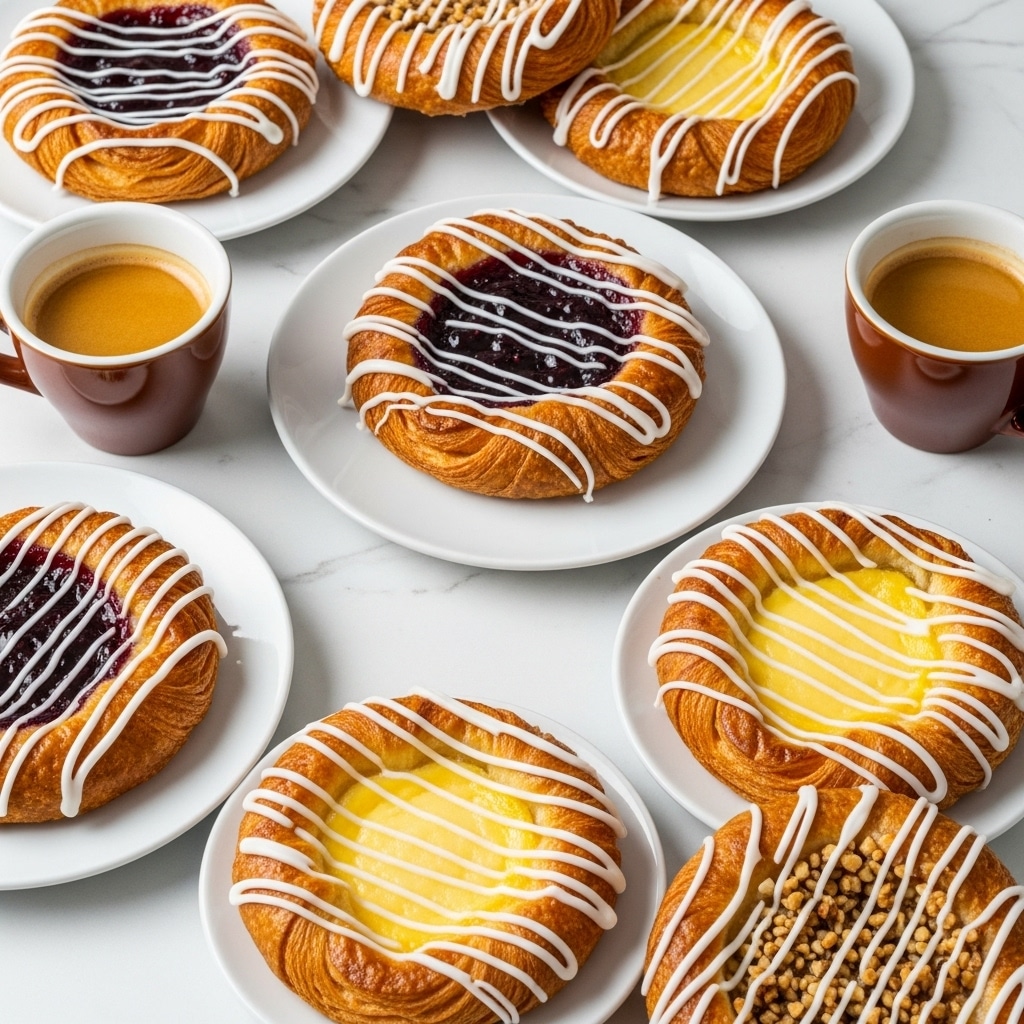
Serve this delicious recipe with your favorite sides.
FAQs
Can I make Danish pastry dough ahead of time?
Yes, the dough can be prepared and refrigerated for up to 16 hours after the final lamination, which actually helps develop flavor and texture.
What is the best way to get a flaky texture?
Keep your butter cold and handle the dough gently. The multiple folds and chilling steps create the laminated layers that result in a flaky pastry.
Print
Classic Danish Pastry with Cheese and Fruit Fillings Recipe
- Total Time: Approximately 4 to 18 hours (includes long refrigeration/resting times)
- Yield: 36 Danish pastries 1x
Description
This classic Danish Pastry recipe produces flaky, buttery pastries layered with rich cream cheese filling and fruity jam. The dough is made using traditional lamination techniques, folding cold butter into the dough to create delicate layers. The pastries bake to a golden brown, finished with a sweet glaze and optional nuts for garnish—perfect for a decadent breakfast or special occasion treat.
Ingredients
Dough Ingredients
- 32 tablespoons (454g or 1 pound) unsalted butter, at cool room temperature, 65°F to 68°F
- 5 1/2 cups (660g) King Arthur Unbleached All-Purpose Flour
- 1/3 cup (67g) granulated sugar
- 4 teaspoons instant yeast
- 2 1/2 teaspoons (15g) table salt (reduce to 1 1/2 teaspoons (9g) if using salted butter)
- 1/2 to 1 teaspoon cardamom, optional
- 1 teaspoon King Arthur Pure Vanilla Extract
- 1 cup (227g) milk, cold
- 1/3 to 1/2 cup (76g to 113g) water, lukewarm
- 2 large eggs
Cheese Filling Ingredients
- Half an 8-ounce package (113g) cream cheese
- 1/2 cup (113g) cottage cheese or ricotta cheese
- 3 tablespoons (35g) granulated sugar
- 1 large egg
- 1/4 teaspoon table salt
Fruit Filling & Topping
- About 1 to 1 1/4 cups (298g to 369g) jam, preserves, or canned fruit pie filling
- 1 large egg white, beaten lightly with 1 tablespoon cold water (for glaze brush)
- 1 1/2 cups (170g) confectioners’ sugar
- 2 to 2 1/2 tablespoons (28g to 35g) water or milk (to make glaze)
- Pinch of table salt (for glaze)
- Crushed nuts, optional garnish
Instructions
- Prepare Butter: Cut 1/4″ off each of the 4 sticks of butter to yield about 2 tablespoons. Set aside separately for immediate use; the rest of the butter will be used for dough lamination.
- Combine Dry Ingredients: In a large bowl, whisk together flour, sugar, yeast, salt, and optional cardamom. Add the reserved 2 tablespoons cold butter and work it in with fingers until no large lumps remain, coating the flour with fat.
- Mix Dough: Add vanilla extract, cold milk, lukewarm water, and eggs. Mix and knead until a sticky dough forms. Using a bread machine dough cycle or mixer is recommended. The dough will cling to bowl sides and not clean completely.
- Rest Dough: Scrape dough into a ball, place on a floured surface, cover with plastic wrap, and let rest 10 minutes while preparing the butter for laminating.
- Prepare Butter Blocks: Cut each butter stick in half lengthwise to form 8 rectangles. On floured parchment or plastic wrap, line up 4 rectangles side-by-side to make a roughly 6″ x 9″ block. Lightly flour and cover with another parchment. Pound and roll gently until the butter block is even; repeat with remaining 4 pieces.
- Roll Dough for Laminating: Roll dough into about a 12″ x 24″ rectangle. Place one butter block on center third of the dough, fold one side over butter, place second butter block atop folded dough, then fold remaining dough over to enclose butter completely. Pinch edges to seal.
- First Fold: Turn dough 90°, roll into a 10″ x 24″ rectangle, fold each side into center, then fold one side over the other to create a 6″ x 10″ packet.
- Chill Dough: Dust with flour, wrap in plastic wrap, and chill for 20 minutes in refrigerator.
- Second Fold: Remove dough, roll again into ~10″ x 24″ rectangle. Fold as done previously to form ~7″ x 12″ packet. Roll and fold one final time. Lightly flour, wrap loosely, and chill 2 to 16 hours. Longer refrigeration improves dough relaxation and rise.
- Prepare Cheese Filling: Combine cream cheese, cottage or ricotta cheese, sugar, egg, and salt. Stir until smooth; use a food processor for best texture.
- Shape Pastries: Remove dough from fridge, unwrap, and cut off one-third. Cut that piece into 12 equal portions. Roll each into a smooth ball, then flatten into 3″ to 3.5″ rounds with thinner centers and raised edges to hold filling. Place rounds on parchment-lined or greased baking sheets.
- Repeat Shaping: Work with remaining dough in halves, repeating shaping to produce three baking sheets each with 12 dough rounds.
- Proof Pastries: Cover with lightly greased plastic wrap, let rise about 1 hour until puffy. During final proof, preheat oven to 400°F (204°C).
- Fill Pastries: Press centers of dough rounds flat with fingers while keeping sidewalls puffed. Spoon a heaping teaspoon of cheese or fruit filling into each center well.
- Apply Egg Wash: Brush exposed dough edges lightly with egg white beaten with cold water to ensure a shiny golden crust.
- Bake: Bake the pastries for 15 to 18 minutes until golden brown. Transfer to a rack after baking.
- Make Glaze: Whisk confectioners’ sugar with a pinch of salt and enough water or milk to form a drizzle-able glaze.
- Glaze and Garnish: Drizzle glaze over slightly cooled or warm pastries and optionally sprinkle crushed nuts on top. Serve immediately or let cool before glazing.
Notes
- Chilling dough between folds is crucial to keep butter cold and create flaky layers.
- Using a food processor for the cheese filling creates a smoother texture.
- You can mix and match cheese and fruit fillings by making half recipes if desired.
- Do not worry if the butter blocks do not fully meld together when rolling; this is normal.
- Longer dough refrigeration (up to 16 hours) improves flavor and texture.
- Use cold milk and lukewarm water to activate yeast properly.
- Brushing the edges with egg wash before baking gives the pastry a beautiful golden shine.
- Store any leftovers in an airtight container; pastries are best fresh but can be reheated gently.
- Prep Time: 50 minutes (including chilling and resting times)
- Cook Time: 15 to 18 minutes per batch
- Category: Breakfast, Dessert, Pastry
- Method: Baking
- Cuisine: Danish, European
Keywords: Danish pastry, laminated dough, cream cheese filling, fruit jam, breakfast pastry, homemade pastry