Nama Yatsuhashi Recipe
Introduction
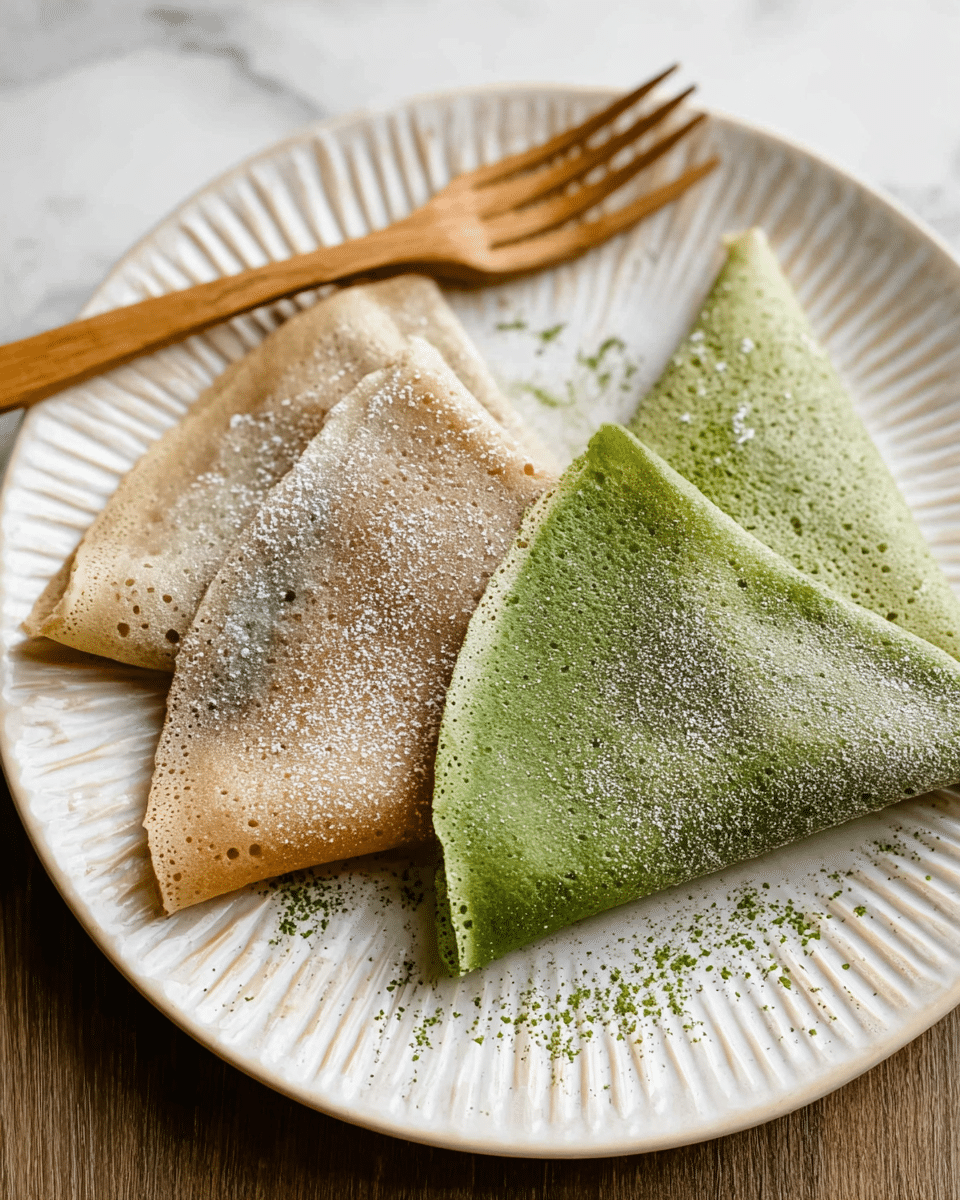
Nama Yatsuhashi is a traditional Japanese sweet made from rice flour and cinnamon, wrapped around a delicious sweet azuki bean paste. This delicate treat is chewy, fragrant, and perfect for enjoying with tea or as a light dessert.
Ingredients
- 20 g Shiratamako (or 5 tsp)
- 30 g Joshinko (or ¼ cup)
- 1 g Cinnamon (or ¼ tsp)
- 25 g Sugar (or 4 tsp)
- 120 ml water (½ cup)
- ¼ cup Kinako soybean flour
- 40 g Anko sweet azuki bean paste (or 4 heaping tsp)
Instructions
- Step 1: Place the Shiratamako in a microwave-safe bowl and add half of the water gradually while stirring continuously.
- Step 2: Add the rest of the water to combine well.
- Step 3: Add Joshinko, sugar, and cinnamon to the bowl and mix well until the mixture resembles a thick batter consistency.
- Step 4: Cover the bowl with cling wrap or a microwave-safe plate, leaving a small vent for steam to escape.
- Step 5: Microwave on high power (600w) for about 1 minute 30 seconds.
- Step 6: Carefully open the microwave door and check if the dough has thickened and become slightly transparent.
- Step 7: Stir the partially cooked dough until smooth, then return it to the microwave for another 30 seconds. Stir again until fully transparent and cooked through.
- Step 8: Dust your work surface with kinako soybean flour to prevent sticking.
- Step 9: Transfer the dough onto the prepared surface, dust more kinako flour over it, and roll out thinly and evenly to about 1/16 inch (2–3 mm) thickness. Cut into square pieces.
- Step 10: Brush off excess kinako from the surface of the squares. Place 1 tsp of anko sweet azuki bean paste slightly off-center on each piece.
- Step 11: Fold the edges of the dough over the filling to create a triangle shape.
Tips & Variations
- Use fresh kinako flour for an authentic nutty flavor and to prevent sticking without overpowering the sweetness.
- Try mixing matcha powder with the dough for a green tea-flavored twist.
- If you don’t have a microwave, steam the dough mixture over boiling water until translucent and cooked through.
- For a vegan variation, ensure the anko paste contains no animal products, though most traditional varieties do not.
Storage
Store Nama Yatsuhashi in an airtight container at room temperature for up to 2 days, as they are best enjoyed fresh. Avoid refrigerating to prevent hardening. To refresh slightly hardened sweets, let them sit at room temperature for a short time before serving.
How to Serve
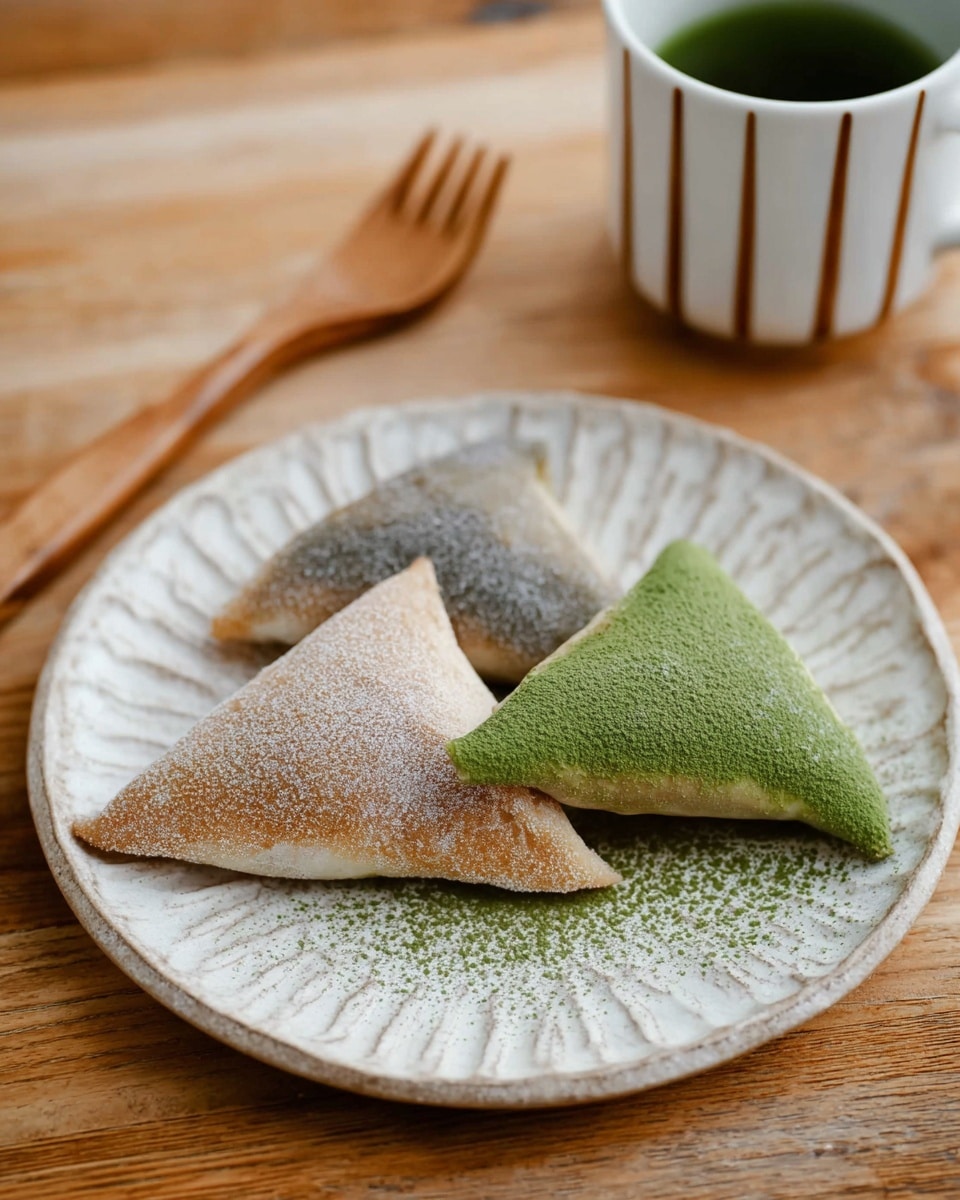
Serve this delicious recipe with your favorite sides.
FAQs
What is Shiratamako, and can I substitute it?
Shiratamako is a glutinous rice flour that creates the chewy texture essential to Nama Yatsuhashi. You can substitute with mochiko flour, but the texture may be slightly different.
Can I freeze Nama Yatsuhashi?
Freezing is not recommended as it can change the soft, chewy texture. It’s best to enjoy them fresh or within a couple of days of making.
Print
Nama Yatsuhashi Recipe
- Total Time: 12 minutes
- Yield: 8–10 pieces 1x
- Diet: Vegetarian
Description
Nama Yatsuhashi is a traditional Japanese sweet made from glutinous rice flour and cinnamon, resulting in soft, chewy, fragrant dough wrapped around sweet azuki bean paste. This delicate and mildly spiced treat is typically dusted with kinako (roasted soybean flour), offering a subtle nutty flavor and smooth texture. It’s a popular wagashi dessert, perfect for tea time or as a light snack.
Ingredients
For the Dough
- 20 g Shiratamako (glutinous rice flour) – approx. 5 tsp
- 30 g Joshinko (non-glutinous rice flour) – approx. ¼ cup
- 1 g ground Cinnamon – approx. ¼ tsp
- 25 g Sugar – approx. 4 tsp
- 120 ml Water – ½ cup
For Dusting and Filling
- ¼ cup Kinako (roasted soybean flour) for dusting
- 40 g Anko (sweet azuki bean paste) – approx. 4 heaped tsp
Instructions
- Prepare the Dough Base: Place Shiratamako in a microwave-safe bowl and gradually add half of the water while stirring continuously to prevent lumps from forming.
- Combine Remaining Water: Add the rest of the water to the mixture and mix well to ensure even hydration.
- Add Dry Ingredients: Incorporate Joshinko, sugar, and cinnamon into the bowl and stir thoroughly until the mixture develops a thick batter-like consistency.
- Cover the Mixture: Cover the bowl with cling wrap or a microwave-safe plate, leaving a small vent to allow steam to escape during cooking.
- Microwave Cooking Part 1: Place the bowl in the microwave and cook on high power (600W) for about 1 minute and 30 seconds.
- Check Dough Texture: Carefully open the microwave door, being cautious of steam, and check if the dough has thickened and become slightly translucent.
- Stir and Cook Again: Stir the partially cooked dough with a spatula or wooden spoon until smooth. Return it to the microwave for an additional 30 seconds, then stir again until the dough is fully cooked and completely translucent.
- Prepare Surface for Rolling: Dust a clean work surface generously with kinako to prevent sticking before transferring the dough.
- Transfer and Dust Dough: Place the hot dough onto the kinako-dusted surface, and dust the top with more kinako to avoid stickiness.
- Roll Out Dough: Roll the dough thinly and evenly to about 1/16 inch (2-3 mm) thickness.
- Cut into Squares: Cut the rolled dough into square pieces suitable for wrapping.
- Fill with Anko: Dust excess kinako off the surface of each square gently with a brush, then place about 1 teaspoon of anko slightly off-center of each piece.
- Fold into Triangles: Fold the dough over the filling, creating a neat triangular shape that encloses the anko inside.
Notes
- Use a microwave with 600W power for best results. Cooking time may vary slightly depending on the microwave wattage.
- Dusting with kinako both on the surface and on your work area helps prevent the sticky dough from adhering to surfaces and hands.
- Shiratamako is preferred for its chewy texture, but mochiko rice flour can be a substitute if unavailable.
- The cinnamon adds a subtle spicy aroma; adjust the amount to taste if desired.
- These sweets are best enjoyed fresh but can be wrapped and stored in an airtight container for up to 2 days at room temperature.
- Prep Time: 10 minutes
- Cook Time: 2 minutes
- Category: Dessert
- Method: Microwaving
- Cuisine: Japanese
Keywords: Nama Yatsuhashi, Japanese sweets, Wagashi, rice flour dessert, anko dessert, cinnamon rice cake, kinako, chewy Japanese treats