Vietnamese Steamed Banana Cake (Banh Chuoi Hap) Recipe
Introduction
Vietnamese Steamed Banana Cake, or Banh Chuoi Hap, is a delightful, tender dessert made with ripe bananas and steamed to perfection. Its subtle sweetness and smooth texture pair wonderfully with a rich coconut sauce, making it a comforting treat for any occasion.
Ingredients
- 5-6 peeled pisang awak bananas (about 10.5 oz or 300 grams)
- 3 tablespoons packed light brown sugar
- 2.5 oz tapioca starch (also called tapioca flour)
- 1.5 oz rice flour
- 1/8 teaspoon salt
- 1/2 teaspoon cinnamon powder
- 1/4 cup plus 3 tablespoons water
- 1 1/4 cup canned coconut milk
- 1/4 cup plus 1 tablespoon water, divided
- 1/8 teaspoon salt
- 2 teaspoons sugar
- 1 tablespoon cornstarch
- Toasted sesame seeds for garnish
Instructions
- Step 1: Slice the bananas thinly and place them in a mixing bowl. Add the brown sugar and gently toss to coat the banana slices. Let them marinate for 10-20 minutes.
- Step 2: In a separate bowl, combine the tapioca starch, rice flour, salt, and cinnamon powder. Add 1/4 cup plus 3 tablespoons water and mix well until smooth.
- Step 3: Set aside about 12-15 banana slices for decoration. Fold the remaining banana slices gently into the batter.
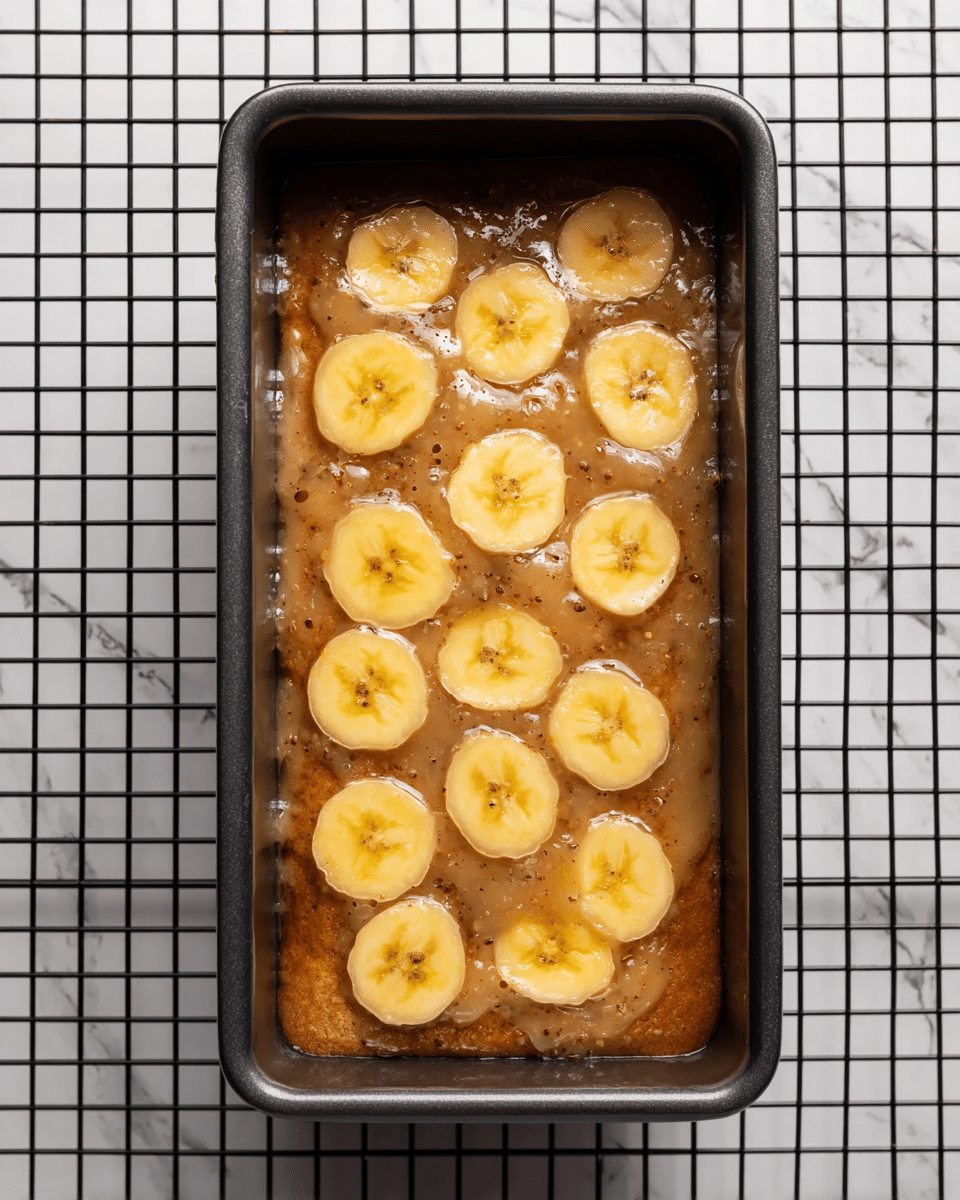
- Step 4: Pour the batter into a mold or pan that fits inside your steamer, ideally a 4″x8″ loaf pan for a cake just over 1 inch thick. Arrange the reserved banana slices on top.
- Step 5: Prepare your steamer and wrap a clean towel around the lid to prevent water condensation from dripping onto the cake, or wipe the lid every 10 minutes. Steam the cake over medium to medium-high heat for about 25 minutes until the batter becomes translucent and pulls slightly away from the edges. A toothpick inserted should come out clean.
- Step 6: Remove the cake from the steamer and let it cool enough to handle. Turn it out of the mold and slice.
- Step 7: While the cake steams, make the coconut sauce. Heat coconut milk and 1/4 cup water in a small saucepan over medium-low heat. Stir in salt and sugar.
- Step 8: Mix the cornstarch with 1 tablespoon water in a small bowl. When the coconut milk mixture is steaming with small bubbles at the edges, slowly whisk in the cornstarch slurry to thicken the sauce. Do not let it boil. Adjust thickness as desired, then transfer to a clean bowl.
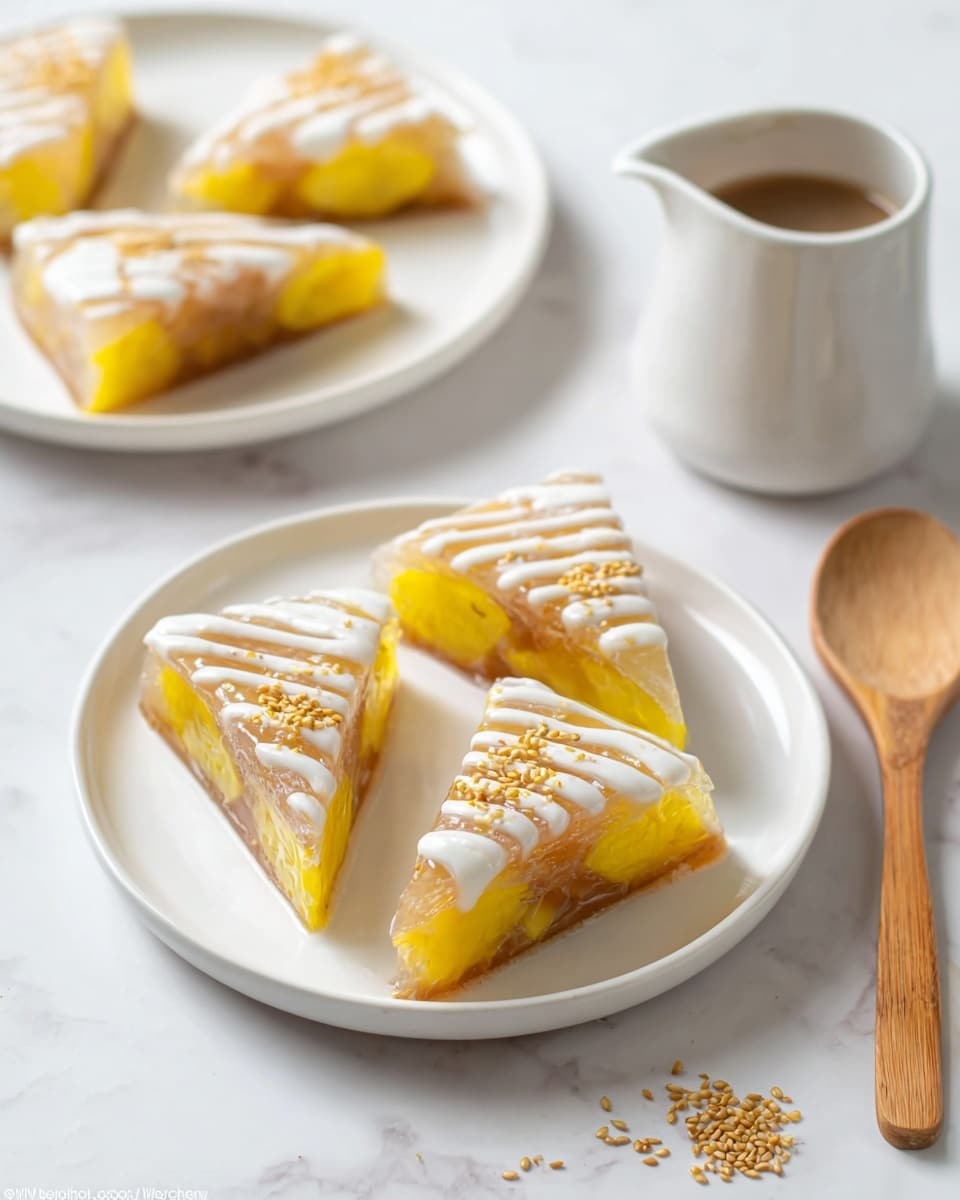
- Step 9: Serve the steamed banana cake warm with the coconut sauce drizzled on top and a sprinkle of toasted sesame seeds.
Tips & Variations
- Use slightly underripe bananas for a firmer texture; very ripe bananas will make the batter softer and sweeter.
- To enhance the aroma, add a few drops of vanilla extract or a pinch of nutmeg to the batter.
- For a gluten-free option, ensure flours and starches are certified gluten-free.
- Serve with a drizzle of honey or palm sugar syrup for extra sweetness.
Storage
Store leftover steamed banana cake in an airtight container in the refrigerator for up to 3 days. Reheat gently by steaming or microwaving for a few seconds to restore softness. Coconut sauce can be refrigerated in a separate container for up to 2 days; warm before serving.
How to Serve
Serve this delicious recipe with your favorite sides.
FAQs
Can I use other types of bananas for this recipe?
Yes, you can use other ripe bananas, but pisang awak is preferred for its firm texture and mild sweetness. Avoid overly ripe bananas to prevent the cake from becoming too mushy.
Do I need a special steamer to make this cake?
No special steamer is required. A simple pot with a steaming rack or any steaming setup at home works well. Just ensure the lid is covered with a towel to prevent condensation from dripping onto the cake.
Print
Vietnamese Steamed Banana Cake (Banh Chuoi Hap) Recipe
- Total Time: 45 minutes
- Yield: 8 servings 1x
- Diet: Gluten Free
Description
Vietnamese Steamed Banana Cake (Banh Chuoi Hap) is a delicate and flavorful dessert, featuring ripe pisang awak bananas combined with tapioca and rice flours, steamed to a translucent, tender cake. Served warm with a luscious coconut sauce and toasted sesame seeds, this traditional Vietnamese treat offers a unique texture and comforting sweetness.
Ingredients
Banana Cake
- 5–6 peeled pisang awak bananas (about 10.5 oz or 300 grams)
- 3 tablespoons packed light brown sugar
- 2.5 oz tapioca starch (tapioca flour)
- 1.5 oz rice flour
- 1/8 teaspoon salt
- 1/2 teaspoon cinnamon powder
- 1/4 cup plus 3 tablespoons water
Coconut Sauce
- 1 1/4 cups canned coconut milk
- 1/4 cup plus 1 tablespoon water, divided
- 1/8 teaspoon salt
- 2 teaspoons sugar
- 1 tablespoon cornstarch
- Toasted sesame seeds (for garnish)
Instructions
- Marinate the Bananas: Slice the peeled bananas thinly and place them into a mixing bowl. Add the packed light brown sugar and gently toss the banana slices to coat them evenly. Set aside to marinate for 10-20 minutes to enhance sweetness and texture.
- Prepare the Batter: In a separate mixing bowl, combine the tapioca starch, rice flour, salt, and cinnamon powder. Add both 1/4 cup and 3 tablespoons of water, mixing thoroughly until a smooth batter forms with no lumps.
- Fold Bananas into Batter: Reserve about 12-15 banana slices to use for decoration later. Add the remaining banana slices into the batter and gently fold them in to evenly distribute without breaking the slices.
- Assemble the Cake: Pour the banana and batter mixture into a mold or pan that fits inside a steamer—ideally a 4”x8” loaf pan so the cake ends up about 1 inch thick. Arrange the reserved banana slices on top decoratively.
- Steam the Cake: Set up a steamer on medium to medium-high heat. Wrap a clean towel around the steamer lid to prevent water condensation from dripping onto the cake, or alternatively wipe the lid clean every 10 minutes. Steam the cake for about 25 minutes until cooked through; the batter will become translucent and the edges will pull slightly away from the pan. A toothpick inserted should come out clean without wet batter.
- Cool and Slice: Remove the cake mold from the steamer and let it cool until it can be handled safely. Carefully take the cake out of the mold and cut into slices. Serve warm paired with the freshly made coconut sauce and garnish with toasted sesame seeds.
- Prepare the Coconut Sauce: While the cake is steaming, heat a small saucepan over medium-low heat. Add the canned coconut milk and 1/4 cup water, heating gently while stirring. Add salt and sugar to the mixture to balance the flavors.
- Thicken the Sauce: In a small bowl, combine the cornstarch with 1 tablespoon water to make a slurry. When the coconut milk mixture shows steam and small bubbles around the edges, slowly whisk in the cornstarch slurry, thickening the sauce without letting it boil. Adjust thickness as desired and then transfer the sauce to a serving bowl.
Notes
- Wrapping the steamer lid with a clean towel is essential to prevent water from dripping onto the cake, preserving its texture.
- Pisang awak bananas are preferred for authenticity and flavor, but ripe bananas can be substituted if necessary.
- Be careful not to overcook the cake; it should be translucent and slightly firm to touch.
- The coconut sauce should be thickened gently to avoid curdling or separation.
- Serving the cake warm enhances its softness and brings out the aromatic coconut sauce flavors.
- Prep Time: 20 minutes
- Cook Time: 25 minutes
- Category: Dessert
- Method: Steaming
- Cuisine: Vietnamese
Keywords: Vietnamese banana cake, Banh Chuoi Hap, steamed dessert, coconut sauce, gluten free dessert, pisang awak banana dessert