Description
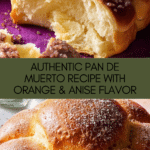
Pan de Muerto is a traditional Mexican sweet bread made especially for Día de los Muertos celebrations. This soft, fragrant bread is infused with orange zest and anise seeds, shaped with dough strips resembling bones, and brushed with a buttery sugar glaze for a slightly crisp, sweet finish. Perfect for sharing with family and friends, this recipe walks you through the process of making this festive treat from scratch.
Ingredients
Scale
Dough
- 1/2 cup water, heated to 110°F
- 1 (1/4-oz.) packet active dry yeast (2 1/2 tsp.)
- 4 cups (480 g) bread flour, divided
- 1/2 cup (100 g) plus 1 tsp granulated sugar, divided
- 2 tbsp finely grated orange zest (from about 2 oranges)
- 1 tsp anise seeds
- 1 tsp kosher salt
- 3 large eggs
- 1 tbsp orange blossom water
- 3/4 cup (1 1/2 sticks) unsalted butter, room temperature
For preparation
- Cooking spray
- 3 tbsp unsalted butter, melted
- 2 tbsp granulated sugar
Instructions
- Activate the Yeast: In a medium bowl, whisk together the warm water, yeast, 1/2 cup (60 g) bread flour, and 1 tsp sugar until smooth. Let this mixture sit until it becomes bubbly and nearly doubles in size, approximately 20 minutes. This step ensures your yeast is active and ready to leaven the bread.
- Prepare Dry Ingredients: While the yeast is proofing, rub the orange zest and the remaining 1/2 cup (100 g) granulated sugar together with your fingertips in a large mixing bowl to release the orange oils and aroma. Add the anise seeds, kosher salt, and the remaining 3 1/2 cups (420 g) bread flour. Whisk these together to evenly distribute the ingredients.
- Combine Ingredients in Mixer: Attach the dough hook to your stand mixer and place the bowl with the dry ingredients on it. Add the eggs, orange blossom water, and the activated yeast mixture. Start mixing on low speed until the dough starts to come together, about 1 minute. The dough will look shaggy and dry at this stage.
- Add Butter Gradually: Increase the mixer speed to medium and with it running, add the room temperature butter one tablespoon at a time. After each addition, beat the dough until the butter is fully incorporated before adding the next. This process helps create a smooth and rich dough.
- Knead the Dough: Turn the mixer speed to medium-high and continue beating for 15 minutes. At the end, the dough should be elastic, smooth, and pulling away from the sides of the bowl with a slapping sound, indicating good gluten development.
- First Rise: Lightly grease a large bowl with cooking spray. Transfer the dough to the bowl and turn it over once so the top is coated with oil to prevent drying. Cover the bowl with plastic wrap or a clean kitchen towel and allow the dough to rise until doubled in size, about 90 to 120 minutes.
- Divide and Shape Dough: Gently punch down the dough to remove large air bubbles and turn it out onto a clean, unfloured surface. Pinch off one-quarter of the dough (about 260 g) and cover it to rest. Divide the remaining dough into two equal portions (about 390 g each). Flatten one portion into a circle, stretch and fold each side toward the center to form a tight ball. Repeat with the second portion. Place the dough balls on a parchment-lined baking sheet near opposite corners, allowing room for expansion.
- Prepare Decorative Dough Bones: Divide the reserved 260 g dough into six pieces. Roll two pieces into balls using the tightening method described. Roll the remaining pieces into 8-inch ropes. Pinch three divots in each rope with your fingers to mimic bones. Drape two ropes over each loaf in a crisscross pattern, aligning the divots to look like bones. Place one small dough ball on the intersection point of each loaf’s ropes.
- Second Rise: Cover the shaped loaves loosely and let them rise until puffy and nearly doubled, about 30 to 45 minutes. This rise lightens the texture and prepares the bread for baking.
- Preheat Oven: Position a rack in the center of your oven and preheat it to 350°F (177°C) to ensure even baking at the right temperature.
- Bake the Bread: Bake the loaves for 20 to 25 minutes until they turn a deep golden brown. Tent the loaves loosely with foil to prevent over-browning, then continue baking for an additional 10 to 15 minutes, or until an instant-read thermometer reads 190°F inside the loaves. This ensures they’re fully baked without drying out.
- Cool the Bread: Remove the bread from the oven and let it cool on a wire rack for 10 minutes before glazing. Cooling slightly helps the bread set and prevents the glaze from melting too quickly.
- Glaze: (Implied step, based on ingredients) While still warm, brush melted unsalted butter over the surface of the loaves. Sprinkle the top with 2 tablespoons of granulated sugar to create a sweet, slightly crunchy crust typical of Pan de Muerto.
Notes
- Use fresh yeast and measure ingredients precisely for the best texture and rise.
- Orange blossom water is key to authentic flavor but can be omitted if unavailable or substituted with a small amount of orange extract.
- Ensure the water for the yeast is at 110°F for optimal activation; too hot or cold can kill the yeast or prevent it from activating.
- You can store Pan de Muerto in an airtight container at room temperature for up to 3 days or freeze for longer storage.
- Warming the bread slightly before serving enhances its aroma and taste.
- Prep Time: 25 minutes
- Cook Time: 35-40 minutes
- Category: Bread
- Method: Baking
- Cuisine: Mexican
Keywords: Pan de Muerto, Mexican sweet bread, Dia de los Muertos bread, Orange zest bread, Anise bread, Traditional Mexican bread